Vertebroplasty/Kyphoplasty
Lumbar Disc Injuries and Treatment
Diagnostic and Therapeutic Procedures
Diagnostic and Therapeutic Procedures that our physicians most commonly perform include among
others:




- Provocative Functional Discography
- Physical and Occupational Therapy referral
- Selective diagnostic Nerve Root Blocks
- Selective diagnostic Peripheral Nerve Blocks
- Cervical, Thoracic, Lumbar, and Caudal
- Interlaminar Epidural Steroid injections
- Transforaminal Epidural steroid injections
- Stellate and Lumbar Sympathetic Nerve Blocks
- Celiac Plexus Nerve Block
Facet Joint Injections and Medial Branch nerve Blocks - Radiofrequency and Coablation Nerve
- Rhizotomies
- Cervical, Thoracic and Lumbar spine
- functional provocative Discography
- Neurolysis and Rhizotomies
- Radiofrequency Nerve Lesioning
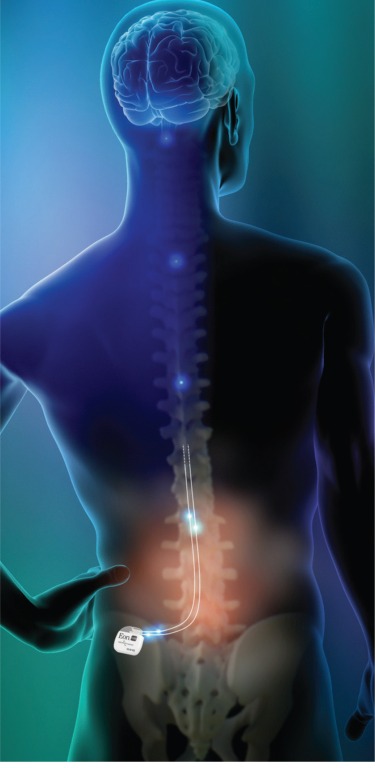
- Dorsal Column Spinal Stimulators
- SI Joint Injections and Pyriformis Injections
- Intercostal and Costochondral Blocks
- Intra-articular Injections
- Percutaneous Intra-discal Procedures for Non-
- Surgical management of herniated discs
- Vertebroplasty and Kyphoplasty
- Neuroplasty
All the procedures are performed in a state-of-the-art Surgical facility with readily available digital substraction Fluoroscopy, as well as nurse-staffed recovery room. Sedation can be pre-arranged with our Anesthesiology team
Radiofrequency Ablation and Cryoablation for Facet Joint Pain
The facet joints are small joints at the back of the spine that guide and limit its motion. Arthritis or injury, for example from a car accident or a fall at work, can make them a lasting source of neck or low back pain.
Diagnosis begins with a medial branch block: a small amount of local anesthetic is placed next to the tiny nerves that carry pain signals from the joint. If the pain improves significantly for several hours, those nerves are likely the source.
In that case, the nerves can be treated with radiofrequency ablation, which uses controlled heat, or cryoablation, which uses extreme cold, to interrupt their pain signals. Both are done through a needle under X-ray (fluoroscopic) guidance, usually take less than an hour, and patients go home the same day.
Relief commonly lasts from six months to a year or longer, and the treatment can be repeated if the nerves regenerate. Your physician will review the benefits and risks with you to decide whether this treatment is appropriate.
Managing Chronic Pain Without Relying on Opioids
Opioid medications have a limited role in long-term pain management. Over time they can lose their effectiveness, and they carry real risks, including tolerance, dependence, constipation, drowsiness and, at high doses, dangerous breathing problems.
At River North Interventional Pain Management Consultants, narcotic medications are rarely used and are never a first choice. Instead, we focus on finding and treating the source of the pain:
- Targeted injections, such as epidural steroid injections, facet and medial branch blocks, and sacroiliac joint injections, deliver medication directly to the pain generator.
- Radiofrequency ablation and cryoablation can provide longer-lasting relief for joint-related spine pain.
- Neuromodulation, such as spinal cord stimulation, can help nerve-related pain that has not responded to other treatments.
- Physical therapy and non-opioid medications support recovery and restore function.
Combining these approaches allows many patients to reduce their pain and return to work and daily activities. If you are taking pain medication and would like to explore other options, talk with your physician.
Minimally Invasive Interspinous Fusion for Lumbar Spinal Stenosis
Lumbar spinal stenosis, a narrowing of the spinal canal, is a common cause of low back and leg pain, especially pain that gets worse with standing or walking and eases when sitting or bending forward.
For patients whose symptoms persist despite physical therapy, medications and injections, minimally invasive interspinous-interlaminar fixation offers an option between conservative care and open spine surgery. Through a small incision, a device is placed between the spinous processes at the affected level. It stabilizes the segment and gently holds the space open, which can relieve pressure on the nerves (an “indirect decompression”).
Compared with traditional open fusion, the procedure typically involves less tissue disruption, less blood loss and a quicker return to normal activities. It is performed on an outpatient basis at an ambulatory surgery center.
Not every patient is a candidate. A careful review of your history, examination and imaging (MRI, CT and X-rays) determines whether this approach is right for you. Ask Dr. Vargas whether a minimally invasive spine option may help your condition.